TL;DR
- A metal roof normally outlasts two or three shingle roofs, and handles hail and ice better.
- Shingles cost less to install. Metal usually costs less across thirty years — which wins depends on how long you are staying.
- Shingles still make more sense on complicated rooflines, short ownership and tight budgets.
- The noise complaint comes from barns, not houses — panel over a solid deck sounds little different from shingle.
The lifespan question
This is where the comparison usually starts and it is genuinely lopsided. A well-installed metal roof will commonly still be doing its job when a shingle roof fitted at the same time has been replaced twice. That is the whole argument for metal in one sentence.
The qualifier matters though. "Well installed" is carrying weight there. A metal roof fitted with too few fasteners, or with flashing caulked rather than formed, will not see out a shingle roof — it will simply fail differently and more expensively.
What our weather actually does
North Arkansas and Southwest Missouri give a roof three separate problems in one year: ice loading in winter, hail through the spring, and long stretches of high heat and humidity in summer. Very few roofing decisions have to cope with that spread.
Asphalt shingles age through heat. The sun drives the volatiles out of the asphalt, the mat becomes brittle, granules shed, and the shingle loses the flexibility it needs to seal. That process runs faster on a south-facing slope than a north one, which is why one side of a roof often fails years before the other.
Hail treats the two materials differently as well. On shingles, hail knocks granules loose and exposes the mat, and the damage is often invisible from the ground while being genuinely serious. On metal, hail usually dents. A dent is ugly but not a leak — what matters is whether the impact has cracked the panel coating and started corrosion.
This is not a regional anecdote. Arkansas and southern Missouri sit in a well-documented hail corridor, and the National Weather Service publishes hail climatology and safety data showing how frequently the central states take damaging hail. It is worth understanding what your roof is actually being asked to survive.
Where shingles still win
It would be easier to sell metal by pretending otherwise, but there are cases where shingles are the better answer:
- Complicated rooflines. On a roof with many valleys, dormers and changes of pitch, most of the labour is flashing rather than covering, and metal amplifies that cost considerably.
- Short ownership horizons. If you are selling in three years, you will not recover the difference, and buyers rarely pay a premium for a roof they cannot see the age of.
- Tight budgets where the choice is a shingle roof now or nothing. A sound shingle roof beats a failing roof of any material.
- Matching an existing building where mixing materials would look wrong and there is no appetite to redo the lot.
The noise myth
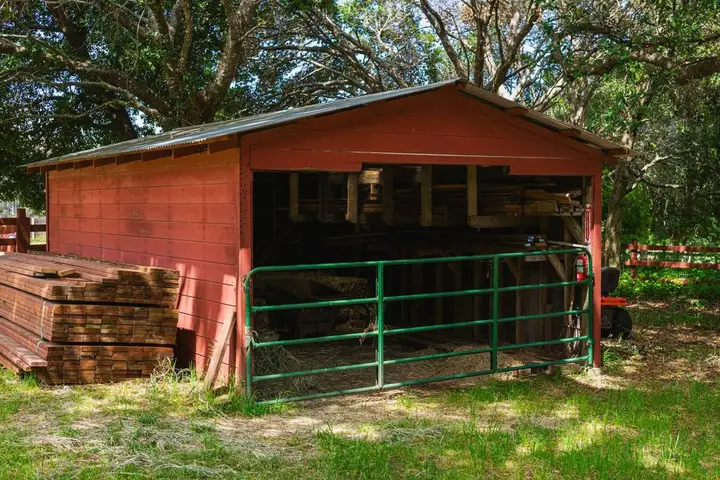
People remember rain hammering on a barn roof and assume a metal house roof sounds the same. It does not. On a barn the panel is fixed straight to open purlins with nothing underneath and the whole structure acts as a drum. On a house the panel sits over a solid deck and underlayment, with an insulated ceiling below, and the difference from a shingle roof is small enough that most people stop noticing within a week.
Cost over time, not cost today
Shingles are cheaper to install. Metal is usually cheaper across thirty years. Both statements are true and neither settles the question on its own.
The way to decide is to price both properly for your building and then divide by the years you expect to own it. We will put both numbers in front of you rather than only the one we would rather sell — see what metal roof installation actually involves, and ask us to quote the shingle alternative alongside it.
What to ask whoever quotes you
When metal quotes differ widely, the difference is almost never the panel colour. It is in five things you cannot see once the roof is on: panel gauge, the coating on the panel, fastener count per square, whether the underlayment is synthetic or felt, and whether flashings are formed or caulked. Ask every bidder to put those five in writing and the quotes become comparable.